


Ink Printing vs. Hot Stamping: The Art of Branding Your Jewelry Box
1. Different printing methods for brand logos can create distinct perceptual differences.
In the world of jewelry & watches, a brand logo is never just a simple mark—it is the unique identity symbol of a brand. Every well-known brand attaches great importance to the presentation of its brand logo.
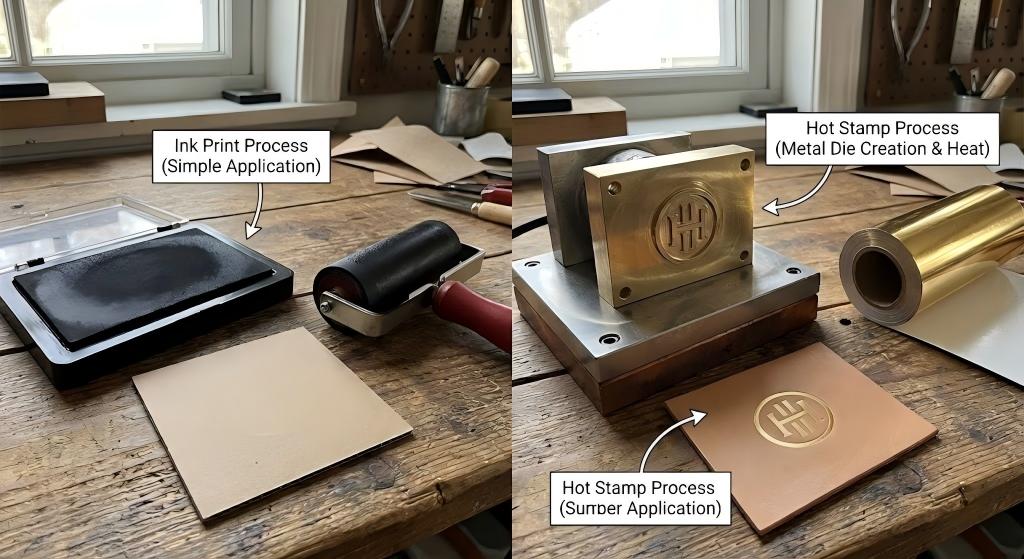
When designing and customizing logo jewelry packaging, different printing methods greatly affect the perceived value of the brand. Behind the choice between standard ink printing (lithographic printing/flexographic printing) and foil stamping (foil sealing) lies the difference between two entirely distinct processes: chemical dyeing and thermodynamic melting.
Ink printing offers an unlimited color spectrum (CMYK) and low unit cost, but it lacks a luxurious tactile dimension and luminosity. In contrast, hot stamping uses heat and pressure to bond a metal layer to the substrate, creating a permanent reflective indentation. This article will systematically analyze the differences between these two printing technologies in terms of brand logo presentation, material science, optical properties, and durability mechanisms.
2. Ink Printing: The Limitations of Surface Chemistry
Among budget packaging printing techniques, Ink Printing is ubiquitous.
Printing machines can be divided into four types according to the type of printing plate used: relief printing machines, screen printing machines, lithographic printing machines, and intaglio printing machines.
Lithographic printing | Also known as offset printing, it is applied on flat surfaces such as paper and self-adhesive stickers. |
Flexographic printing | Often referred to as flexo printing, it is generally used for plastic printing. |
Screen printing | Also called silk screen printing, it is extremely flexible as it can be applied to any object. It is also a common printing method in jewelry packaging; however, it has a disadvantage—it is not suitable for large-scale printing. |
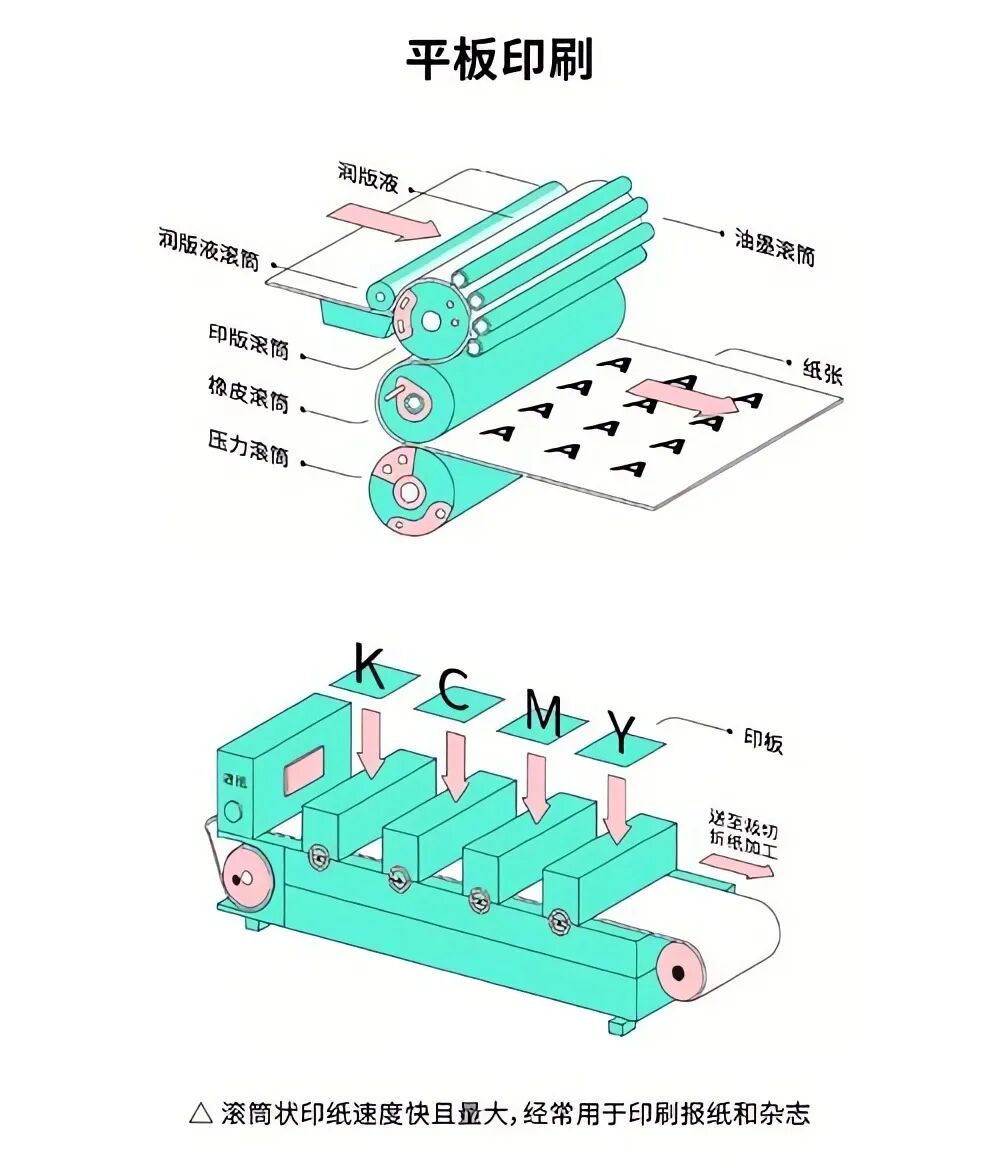
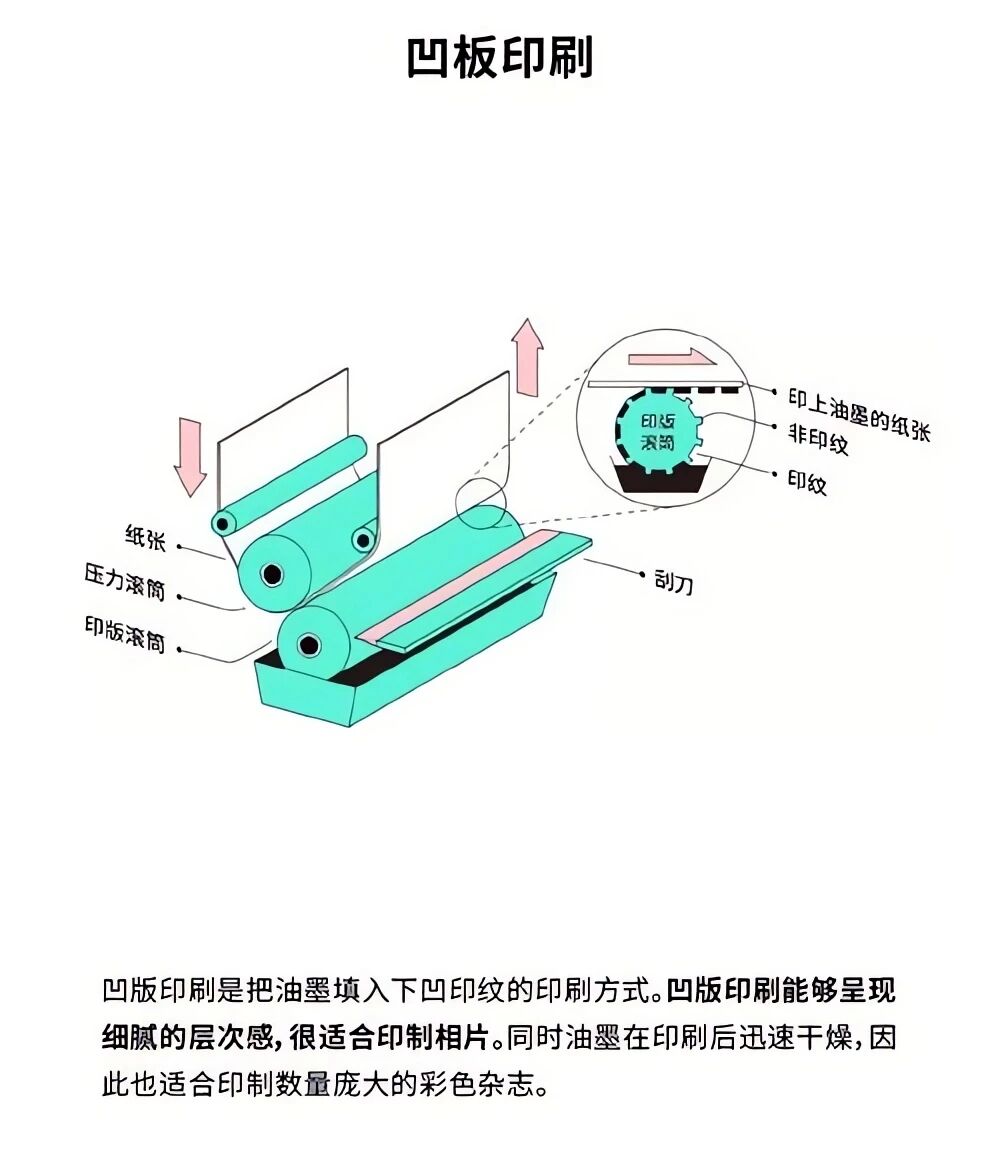
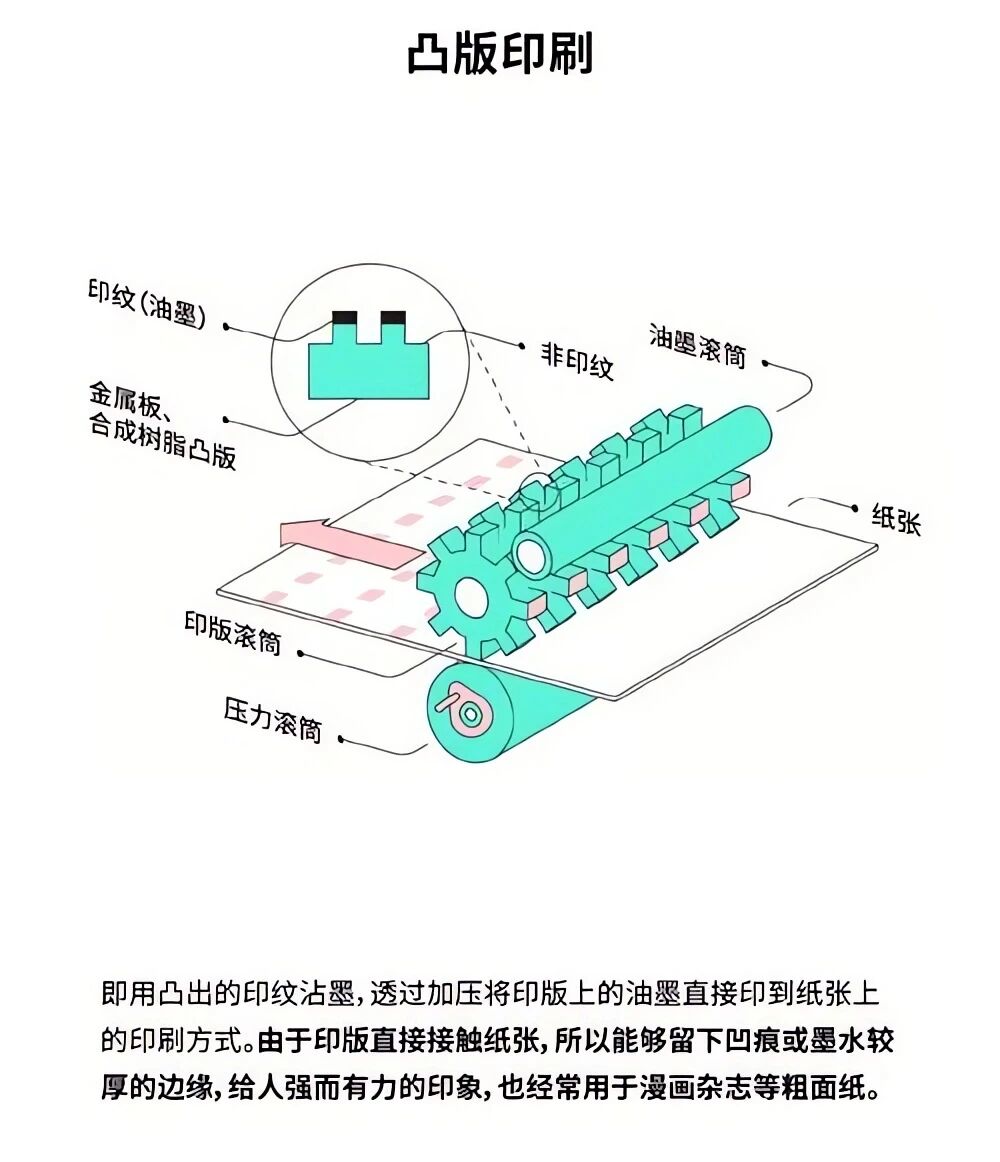
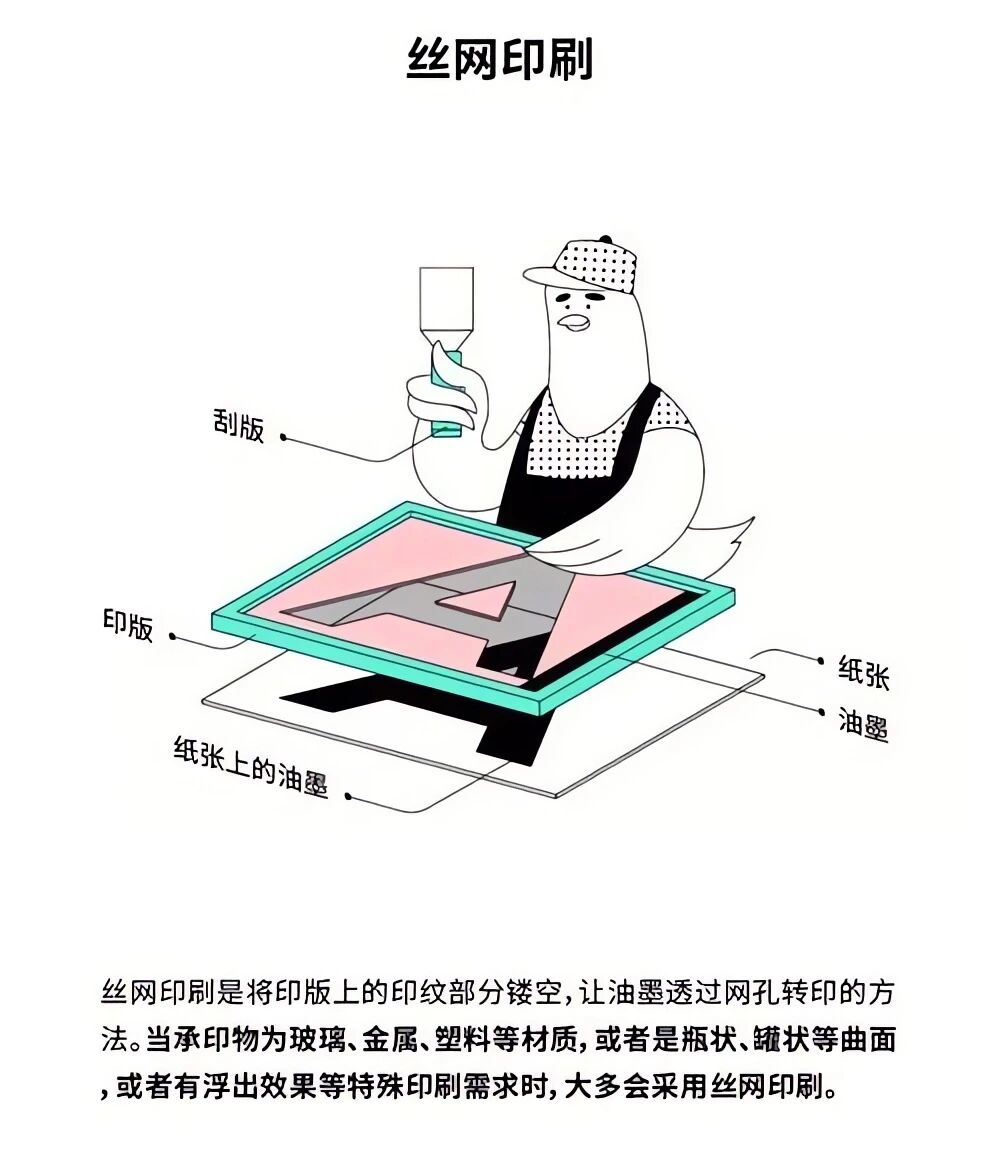
Whether offset or digital, the principle is the same: depositing liquid pigment onto a substrate.
A. Absorption vs. Adhesion
Ink relies on absorption. On uncoated paper (Kraft), the ink soaks into the cellulose fibers. While this creates a bond, it results in 'Dot Gain'—the spreading of ink droplets.
A sharp 0.5pt line becomes a fuzzy 0.7pt line. On coated paper, the ink sits on top, relying on oxidation or UV curing to dry. This surface layer is vulnerable to abrasion.
B. Photometric Flatness (Diffuse Reflection)
Standard ink contains pigments that absorb specific wavelengths and reflect others (Subtractive Color Model). However, the reflection is 'Diffuse' (scattered). Even 'Metallic Ink' (containing mica particles) only achieves a Gloss Unit (GU) of roughly 20-30.
It simulates metal but lacks the specular reflection of true gold, resulting in a 'flat' visual appearance that fails to catch the eye in a retail environment.
C. Chemical Degradation (UV Fading)
Organic pigments in inks are susceptible to photodegradation. Exposure to UV light breaks the chemical bonds (chromophores), causing the logo to fade over time.
A jewelry box sitting on a dresser near a window for a year will see its logo shift from Black to Charcoal Grey.
3. Hot Stamping: Core Surface Decoration Technology Used in Custom Jewelry & Watch Packaging
also known as foil stamping, its working principle is: attach the hot stamping foil to the surface of the jewelry box to be decorated, and with the help of professional heating and pressure equipment, under precisely controlled temperature, pressure and time conditions, separate the decorative layer of the hot stamping foil from the carrier film and completely transfer it to the surface of the jewelry box, thus completing the decoration process and enhancing the high-end texture of the packaging.
The complete process of hot stamping is as follows:
Step 1 | Design and Plate Making | Produce a special metal hot stamping plate, which needs to be designed with relief or intaglio to ensure that the pattern accurately meets the decoration needs of jewelry & watch packaging. |
Step 2 | Select Hot Stamping Foil | Choose suitable foil according to the substrate of jewelry & watch packaging (such as paper, leather, plastic, etc.) and the expected decorative effect (such as color, gloss); |
Step 3 | Set Parameters | Precisely adjust the heating temperature (usually between 100~300°C), pressure and stamping time to adapt to the packaging surfaces of different materials; |
Step 4 | Hot Stamping Operation | Flatly cover the selected hot stamping foil on the surface of the substrate (jewelry box), and accurately press the heated hot stamping plate with the foil and substrate. |
Step 5 | Peeling and Cleaning | After hot stamping is completed, peel off the excess hot stamping foil carrier film, and carefully check the quality of the finished product to ensure that the decorative pattern is clear and free of defects. |
With its significant advantages, hot stamping has become the preferred decoration method for custom jewelry & watch packaging, with the following core characteristics:
Feature 1 | High Decorativeness | It can achieve various decorative effects such as metallic luster (such as gold, silver, laser), color and texture, easily enhancing the high-end style of jewelry & watch packaging. And tit compresses the material, creating a physical depression (relief) of 0.1mm - 0.3mm. This 3D topography engages the sense of touch. When a customer runs their finger over the logo, they feel the brand. |
Feature 2 | Wide Applicability | Suitable for various common materials of jewelry & watch packaging such as paper, plastic, leather, wood, cloth and glass, with extremely strong adaptability; |
Feature 3 | Strong Durability | The hot stamping layer has strong adhesion, wear resistance and corrosion resistance, which can maintain the decorative effect for a long time, meeting the long-term storage needs of jewelry & watch packaging; |
Feature 4 | Efficient and Precise | The operation process is standardized, suitable for mass production. The hot stamping pattern is clear, delicate and neat at the edges, which can accurately present the brand logo and decorative details. |
4. Photometry: Specular vs. Diffuse Reflection
The luxury aesthetic is governed by light.
Ink Printing | Hot Stamping | |
Glossiness and Reflective Effect | The ink layer is usually thin (about 1-3μm), and its glossiness mainly depends on the type of ink and the surface material of the substrate. Logos printed with ordinary ink show a soft luster under light; if metallic ink or special gloss ink is used, it can simulate a metallic texture, but the reflection intensity is weak and the light reflection is relatively scattered. In actual production, metallic ink is generally not considered due to its high cost. | Using metal foil (such as electrochemical aluminum foil) for stamping, the ink layer thickness can reach 5-15μm. The surface is smooth and has a strong metallic luster, with intense light reflection, which can produce an obvious specular reflection effect, making the logo more bright and luxurious under light. Especially under side light or point light source, the reflective effect is more prominent, which can quickly enhance the visual presence of the logo. |
Color Saturation and Contrast | It has high color reproduction and can present rich color gradients and delicate color layers. However, limited by the characteristics of ink itself, the expressiveness of some metallic colors or fluorescent colors is weak, and the overall contrast is relatively low, making it difficult to form a strong visual impact. | The color saturation of metal foil is extremely high, especially classic metallic colors such as gold and silver. The colors are more bright and intense under light, with strong contrast, which can quickly attract attention. It is very suitable for highlighting the visual focus of the logo and enhancing brand recognition. |
3D Sense and Touch
| Generally, there is no obvious three-dimensional sense, and the surface touch is smooth. Under light irradiation, the visual layering is mainly reflected through subtle changes in color and gloss, and the overall texture is relatively plain. | A slight embossing will occur during the stamping process, forming a subtle three-dimensional sense on the surface of the logo. When illuminated by light, obvious shadows and highlights will be generated due to the uneven surface, further enhancing the visual layering. In terms of touch, you can also clearly feel the slight protrusion or smooth difference on the surface of the logo, improving the high-end texture when touching. |
In summary, ink printing is suitable for logos that pursue delicate colors and rich gradient effects, while hot stamping is more suitable for jewelry box logos that need to highlight metallic texture, high glossiness and strong visual impact. It can significantly enhance the luxury and attractiveness of products under light. Precisely because hot stamping has the advantage of highlighting brand logos, this is the core reason why most jewelry & watch brands prefer hot stamping when customizing packaging logos—it can accurately convey the high-end tone of the brand, strengthen brand recognition, and meet the pursuit of quality and style in the jewelry & watch industry.
5. Tribology: Abrasion Resistance Testing
When comparing hot stamping, embossing, and ink printing, durability is a key consideration—especially for jewelry box logos that need to maintain an exquisite appearance for a long time.
Ink Print: | Hot Stamp | |
Test 1: Sutherland Rub Test (ASTM D5264) | Shows signs of scuffing after 50 strokes with a 4lb weight, the ink surface is abraded, and the clarity of the logo decreases. | Withstands more than 200 strokes and remains intact. Its metallic layer is encapsulated by the lacquer coat and physically recessed into the board, which can effectively resist wear caused by surface friction and protect the logo from damage. |
Test 2: Tape Test (ASTM D3359) The test method is: apply pressure-sensitive tape over the logo, then tear it off quickly to observe the adhesion of the logo.
| Poorly cured UV ink often peels off (delamination), leading to logo detachment and imperfection. | Because the adhesive is fused into the paper fibers under heat, forming a strong structural bond, the paper usually tears before the foil lifts off. |
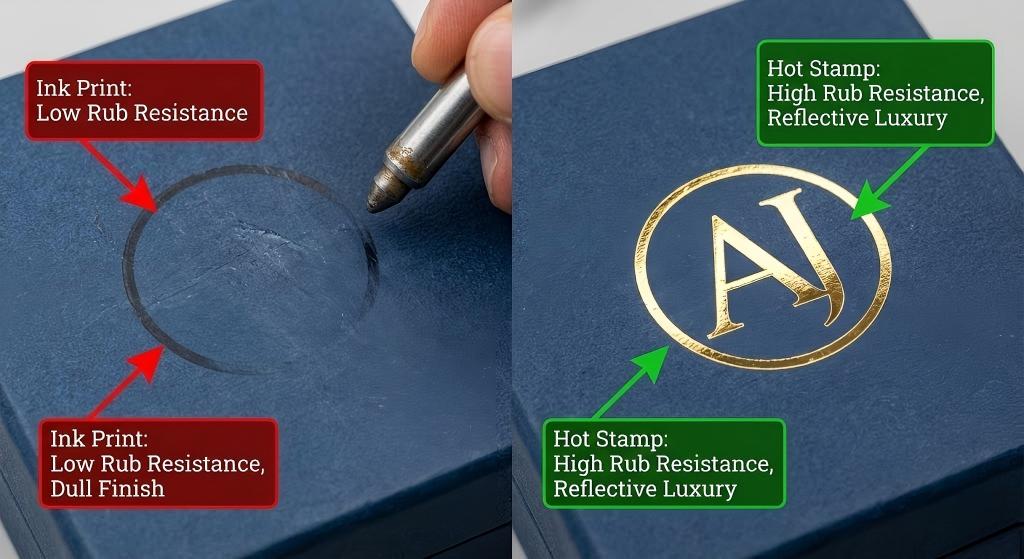
In general, hot stamping is usually superior to ink printing in terms of abrasion resistance, especially suitable for jewelry box logos that need to maintain a clear and bright appearance for a long time. If ink printing needs to improve abrasion resistance, special ink and optimized process treatment are required, but the overall abrasion resistance may still be inferior to hot stamping.
6. Financial Modeling: Die Cost vs. Unit Cost
• Ink Printing: No tooling cost (Digital). Low setup fee. Ideal for variable data or short runs (<500).
• Hot Stamping: Requires a Metal Die ($50 - $150 one-time fee). Slower production speed (stamping is a mechanical stop-and-go process).
ROI Conclusion: While Hot Stamping adds $0.10 - $0.30 per unit + tooling, the 'Perceived Value' multiplier is estimated at 3x. A $2 box looks like a $6 box with foil. The ROI on the die cost is realized within the first 500 units.
7. FAQ: Technical Branding Questions
Q1: Can we hot stamp very fine details or small text?
A: Yes, but there are limits. We recommend a minimum line weight of 0.25pt. If lines are too close, the foil can 'bridge' (fill in the gaps). For intricate crests, we use Magnesium dies which hold sharper edges than standard copper dies.
Q2: What is 'Blind Embossing' vs. Hot Stamping?
A: Blind Embossing uses the same die technology but *without* the foil leaf. It creates a shadow-only 3D relief. It is the ultimate in understated luxury ('Quiet Luxury'). Hot stamping adds color/metal to the depression.
Q3: Can we combine Ink and Foil?
A: Yes. This is called 'Overprinting' or 'Registered Embossing.' We can print a pattern and then stamp gold foil precisely over specific elements. This requires high-precision registration cameras on the press to align within 0.1mm.
Q4: Does Hot Stamping work on textured paper?
A: It is actually *better* on textured paper than ink. Ink breaks up on rough textures (missing dots). Hot stamping crushes the texture flat in the logo area, creating a smooth, shiny contrast against the rough background.
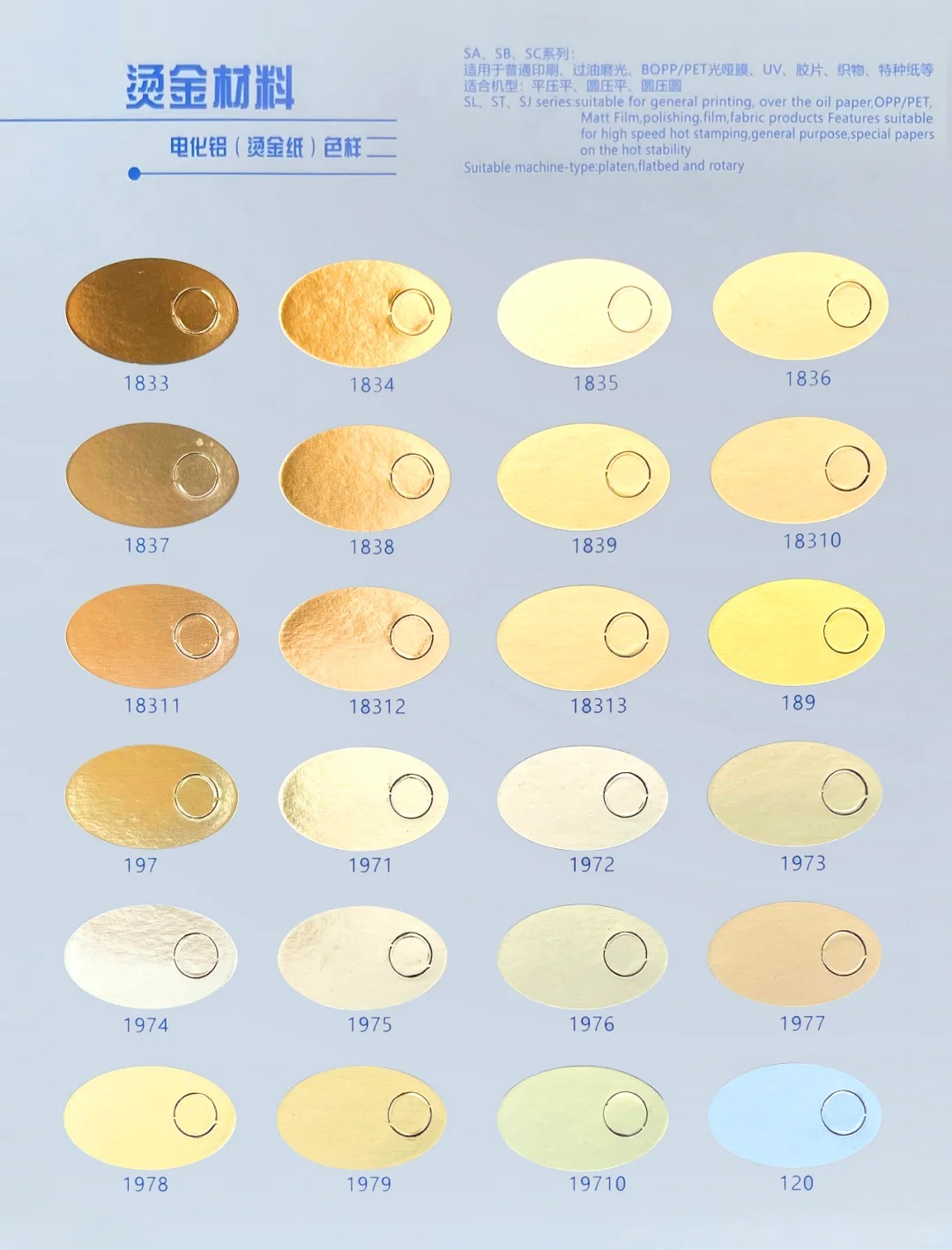
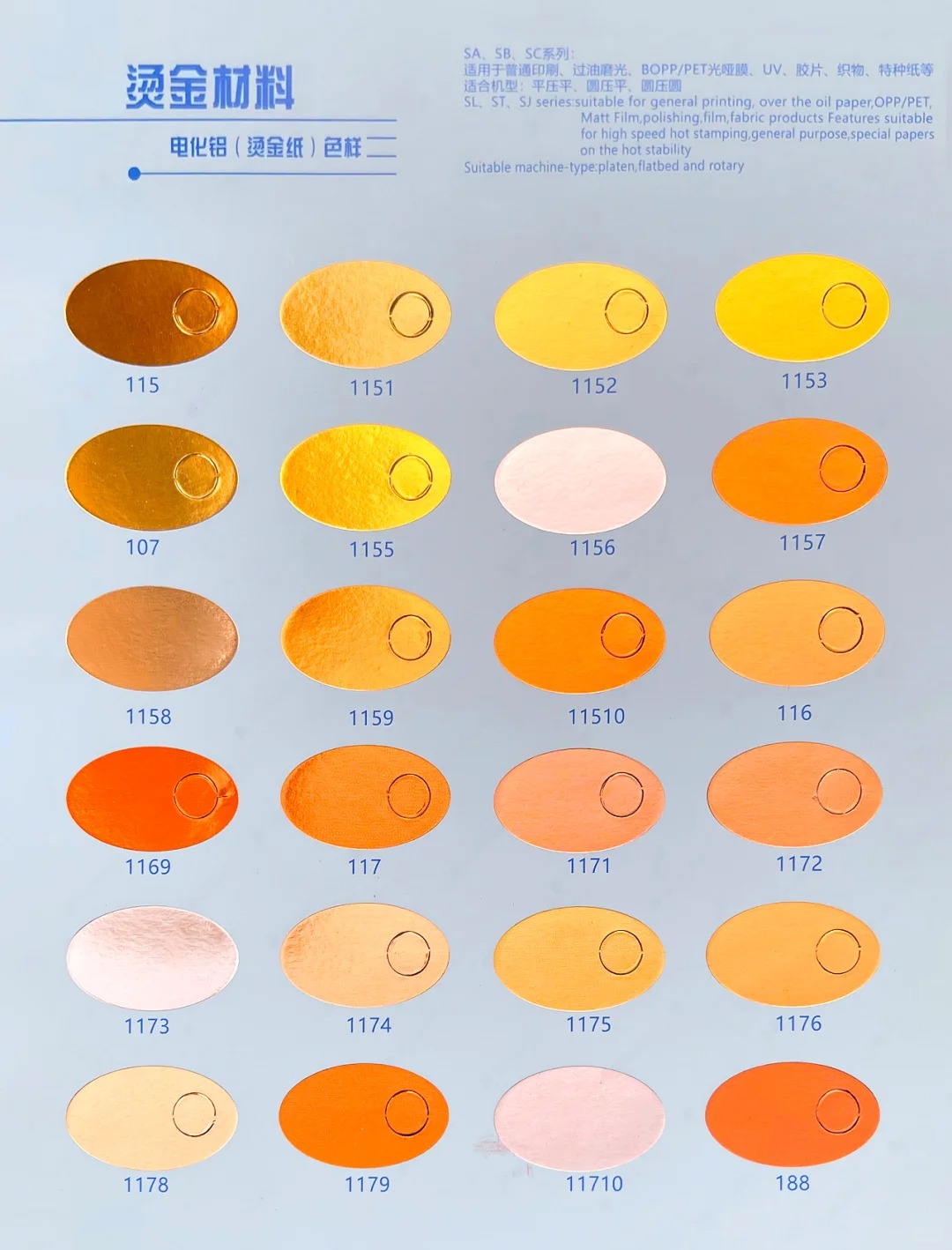
Q5: What colors are available for hot stamping?
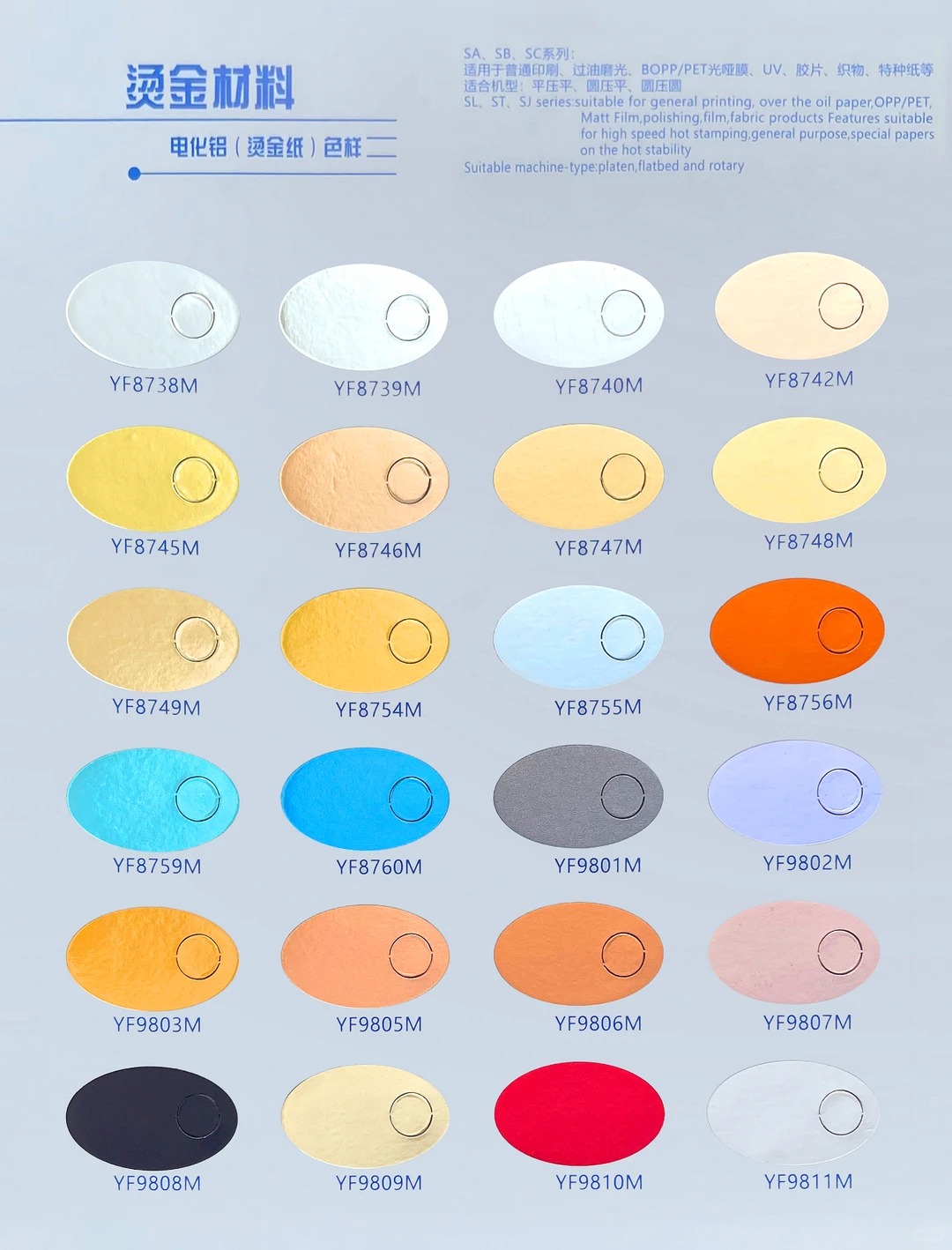
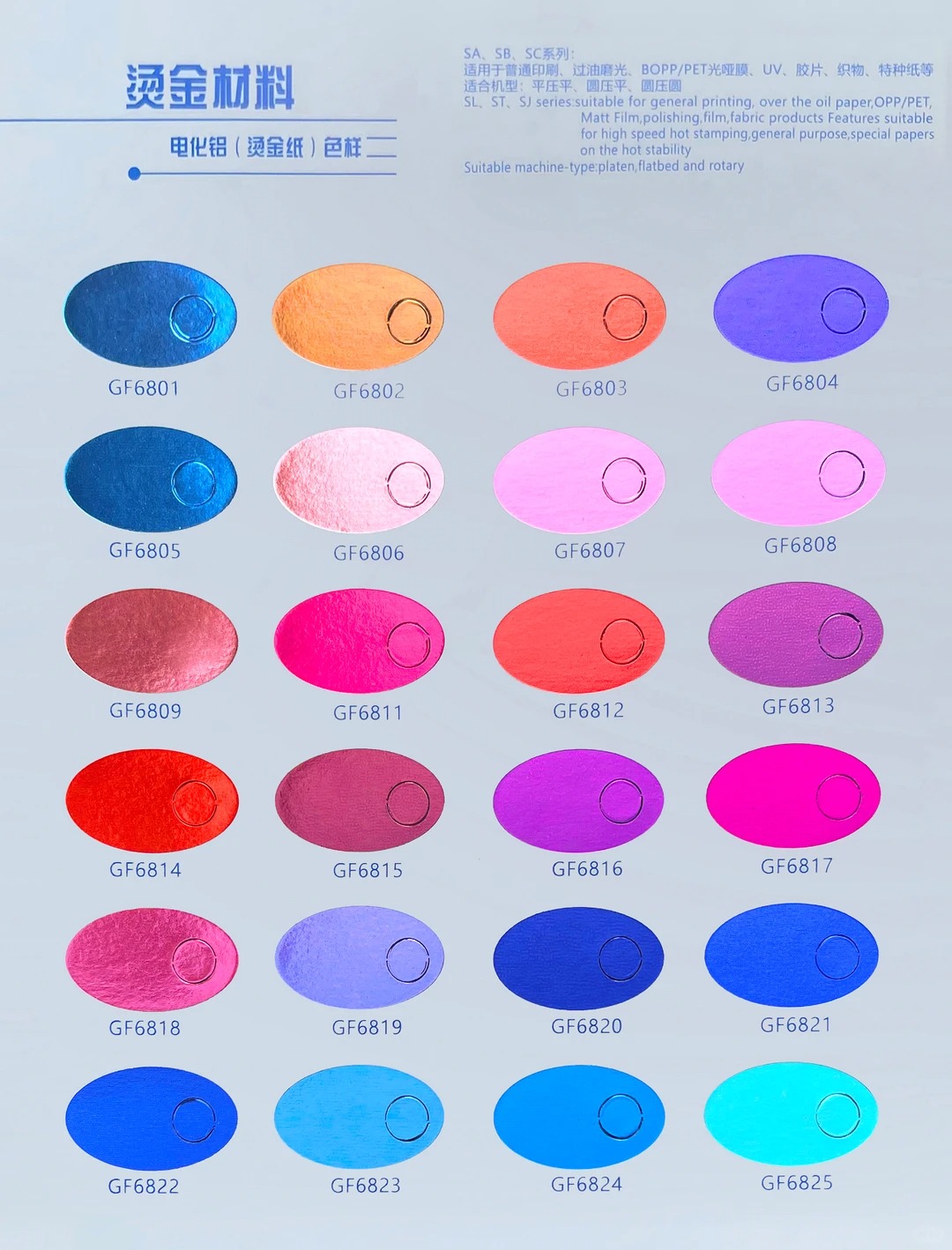
A: Beyond Gold and Silver, we offer Rose Gold, Holographic, Pigment White (for black boxes), Black Gloss (for 'Phantom' looks), and even Clear Gloss (Spot UV alternative).
Q6: Is Hot Stamping eco-friendly?
A: Yes. The foil transfer layer is incredibly thin (microns). The polyester carrier film is removed and recycled. Stamped boxes are fully recyclable and repulpable, as the metallic particles are filtered out during the recycling process.
8. Conclusion: Let's Start Your Exclusive Jewelry Journey.
Your logo is the signature of your brand promise. Don't sign it with a fading pen. As a specialized jewelry packaging manufacturer, we view branding not as a printing step, but as a metalworking step—one that ensures your brand’s mark stands the test of time.
To put it simply, when it comes to logo application on custom jewelry packaging, ink printing and hot stamping have distinct pros and cons: Ink printing offers flexible color options but lacks durability, often fading, scuffing, or peeling with regular use, failing to match the premium nature of jewelry. In contrast, hot stamping delivers unparalleled advantages—superior abrasion resistance, bright metallic luster, strong visual impact, and long-lasting adhesion—that perfectly align with the luxury and durability required for high-end jewelry packaging.
Make your mark permanent. Partner with Annaigee Jewelry Box to engineer a stamping solution that shines as brightly as your jewelry. As a professional custom jewelry box manufacturer, Annaigee provides ODM services for jewelry packaging, tailoring solutions to meet every unique need.
Whether for brand customization or personal gifting, we're committed to delivering a premium experience that exceeds every client's expectations—and when it comes to branding your jewelry packaging, hot stamping is undoubtedly the ultimate choice to elevate your brand, convey luxury, and ensure your logo remains vivid and intact for years to come.

Quick links
Products
Contact us
Contact: Veronica Chang
Contact number: +86 15622157335
Email address: veronicazhang@aliyun.com
WhatsApp: + 86 15622157335
Address: No.2, Tangjiao Tenth Street, Lilin Town, Zhongkai High-Tech Zone, Guangdong, China
We are confident to say that our customization service is outsatnding.