


Matte Paint vs High-Gloss Paint Wooden Box: Luxury Packaging Guide
1. Matte & High-Gloss Painted Wooden Boxes: The Epitome of High-End Jewelry Packaging
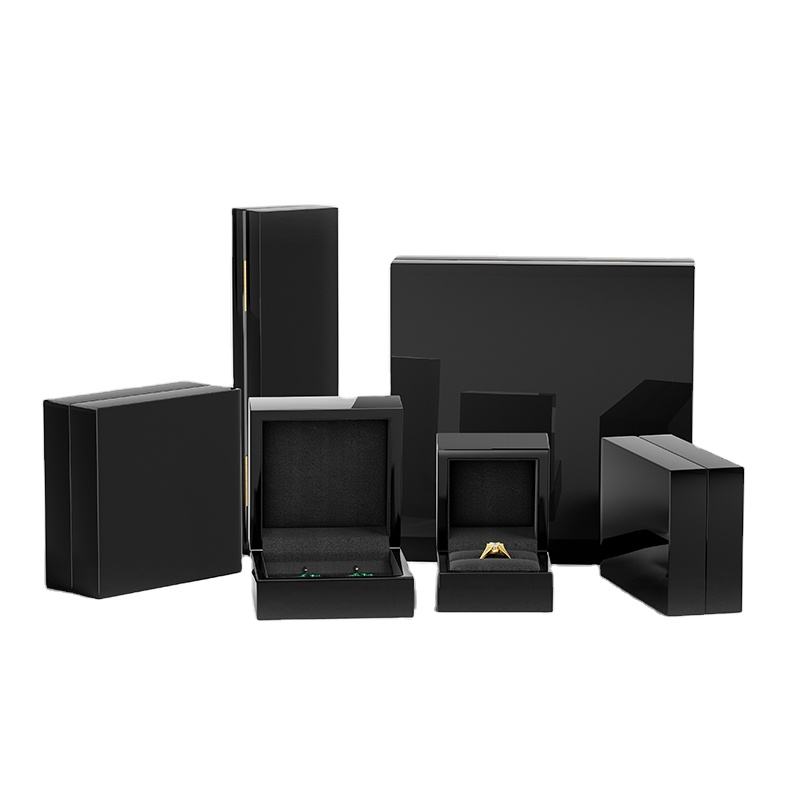
A custom-made, exquisitely crafted wooden jewelry & watch box is absolutely more than just a storage and display tool—it is a powerful display of brand charm. Wood's natural texture and color add elegance and luxury to watches and jewelry, enhancing the overall grade and appeal of the products, which is crucial for high-end brands to shape a premium image.
However, when purchasing custom wooden boxes, procurement personnel often fall into a dilemma due to a lack of understanding of the differences between the two common surface treatments: high-gloss paint and matte paint, as well as the underlying process distinctions (such as the type of paint used, the importance of sanding, and the number of sanding times). What’s worse, some unethical merchants take advantage of this lack of professional knowledge to pass off inferior products as high-quality ones, which completely fail to meet the brand’s high standards and even damage the brand’s reputation.
In the following content, we will elaborate on these two processes from the perspective of an experienced workshop master. With professional and down-to-earth explanations, we aim to help readers gain a clear understanding of the differences between matte and high-gloss paint processes, as well as how to distinguish the quality of the finished products after treatment.
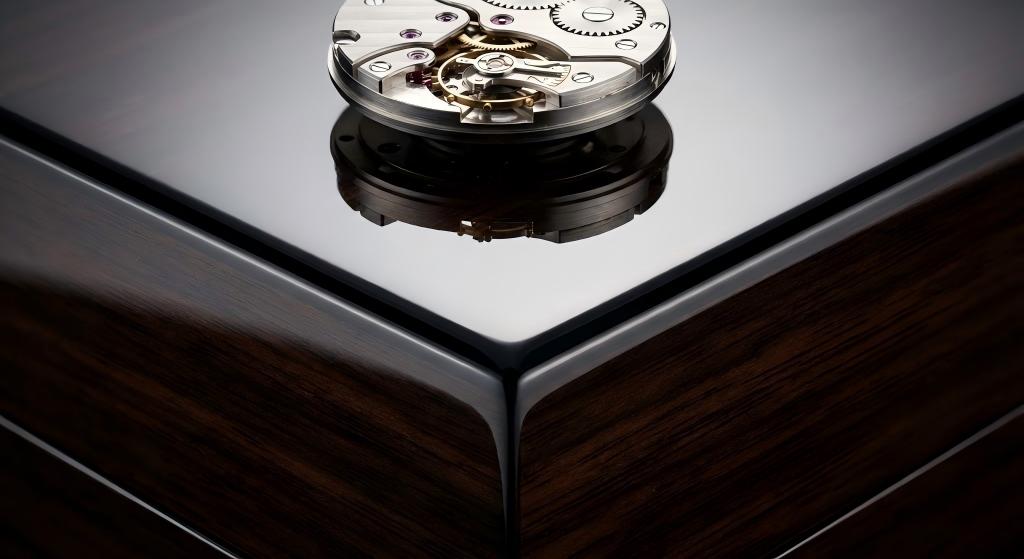
2. Wooden Box Substrates: More Options Than Just Solid Wood
When it comes to wooden jewelry boxes, a common misunderstanding prevails: high-end wooden boxes must be processed from solid wood such as mahogany and walnut. However, in actual production, it is necessary to balance raw material costs and processing difficulty, which directly affects the unit price of products. This is especially true when manufacturing medium and large-sized wooden jewelry storage boxes and wooden watch boxes, where material selection strategies are more diverse and flexible.
In addition to traditional solid wood, Medium-Density Fiberboard (MDF) and its derivative materials are common and practical choices. MDF is made from wood fibers or other plant fibers, formed by hot pressing. It has the characteristic of isotropy (equal strength in all directions) and excellent dimensional stability, which can effectively resist deformation caused by changes in ambient temperature and humidity—an important advantage for long-term use of jewelry and watch boxes.
In practical applications, a composite structure of "MDF core + solid wood veneer" is often adopted:
MDF is used as the core substrate to provide stable support and structural strength; the surface is covered with a 0.6mm thick solid wood veneer.
This structure not only retains the natural texture and aesthetic appeal of solid wood but also combines the engineering stability of composite materials, achieving a perfect balance between cost, performance and appearance.
This material selection method not only reduces raw material costs and processing difficulty but also improves the durability and adaptability of products. It has become the mainstream choice in the production of mid-to-high-end wooden jewelry boxes and watch boxes, favored by both brands and manufacturers for its cost-effectiveness and quality stability.
3. Key Differences Between High-Gloss Paint and Matte Paint for Wooden Jewelry & Watch Boxes
High-gloss paint and matte paint are the two most common surface treatment methods for high-end wooden jewelry and watch boxes.
They differ significantly in appearance, reflection, construction process, protection performance, and durability. Below, we will compare their differences in detail from these key dimensions to help you make more suitable choices for your brand’s packaging needs.
High-Gloss Paint | Matte Paint | |
3.1 Appearance Effect | Its surface is as smooth as a mirror, with strong light reflection ability. It presents a bright and dazzling luster, which can make the color of the wooden box surface more vivid and vibrant. It highlights the lines and contours of the jewelry & watch box, creating a high-end, fashionable and luxurious visual effect—perfect for brands pursuing a bold, glamorous and modern brand image. | Its surface has no luster or extremely low gloss, showing a soft and uniform matte texture, similar to a frosted effect. It reduces light reflection, giving people a low-key, calm and high-grade visual experience. It can better highlight the natural texture of the wood itself, suitable for brands that advocate simplicity, elegance and understated luxury. |
3.2 Reflection Characteristics | It can produce specular reflection, making the wooden box reflect strong light under sunlight or lamplight. This feature easily attracts attention and makes the jewelry & watch box stand out, but it may also produce dazzling glare at certain angles, which may affect the viewing experience in bright environments. | It diffuses light through the micro-rough structure on the surface, making the light scatter evenly. It does not produce obvious glare, and the visual effect is softer and more comfortable. Even in bright light, it can maintain a gentle texture, which is more suitable for indoor display scenarios such as jewelry stores and counters. |
3.3 Construction Process | It usually requires multiple processes, including primer, color paint, and clear coat. During the construction process, it is necessary to strictly control the thickness, uniformity and drying time of the coating. After construction, it often needs to be polished and buffed to achieve the desired high gloss effect. This process has high requirements for the skill of the constructor and the environment, which directly affects the final finish of the wooden box. | The construction process is relatively simple. Generally, it does not require the fine polishing and buffing procedures like high-gloss paint. However, it has high requirements for the uniformity of spraying and the flatness of the surface. If the spraying is uneven or the surface is not smooth enough, it is easy to appear color difference, uneven surface or uneven matte texture, which affects the overall aesthetics. |
3.4 Protection Performance | Due to its smooth and dense surface, it has good stain resistance, corrosion resistance and scratch resistance. It can effectively block the erosion of dust, dirt, acid rain, bird droppings and other pollutants on the surface of the wooden box, and protect the wood substrate from damage, thus extending the service life of the jewelry & watch box. |
Although it also has a certain protective performance, compared with high-gloss paint, the micro-rough structure on its surface is more likely to absorb dust and dirt, making it slightly more difficult to clean. At the same time, its scratch resistance and corrosion resistance are relatively weak, and it is easier to leave scratches or be corroded by chemicals. |
3.5 Durability | It performs well in resisting atmospheric oxidation, ultraviolet radiation and fading. It can maintain long-term color stability and glossiness, and is not easy to yellow or fade. However, once scratches or damages occur, the repair difficulty is relatively large, and the repaired area may have differences in gloss and color from the original paint surface, which is not easy to restore to the original state. | It is not easy to show fine scratches and flaws, which can hide small defects on the surface of the wooden box. However, due to its low glossiness, over time, it may have problems such as decreased glossiness and darkening color. In addition, special processes and materials are required for repair to ensure that the texture and color of the repaired area are consistent with the original paint surface. |
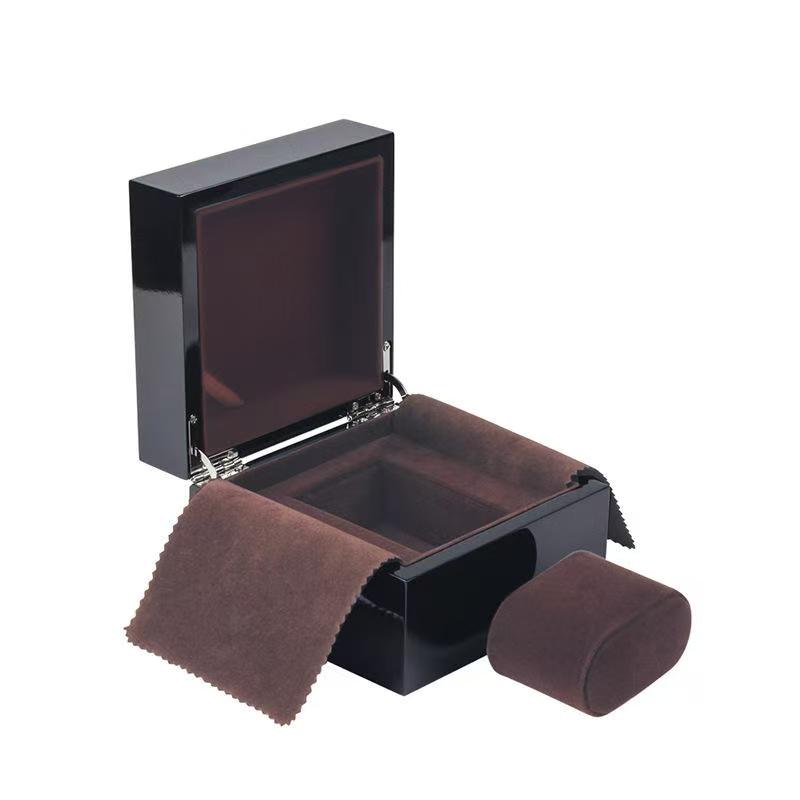
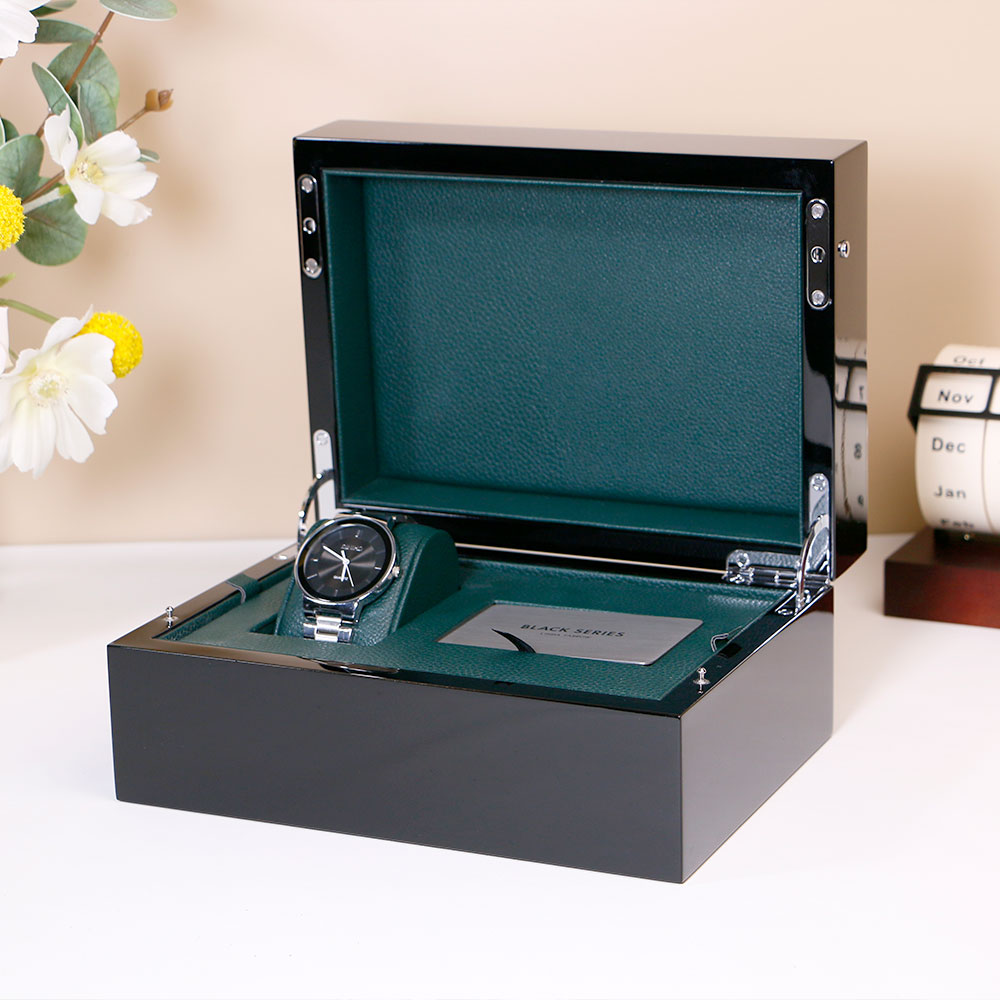
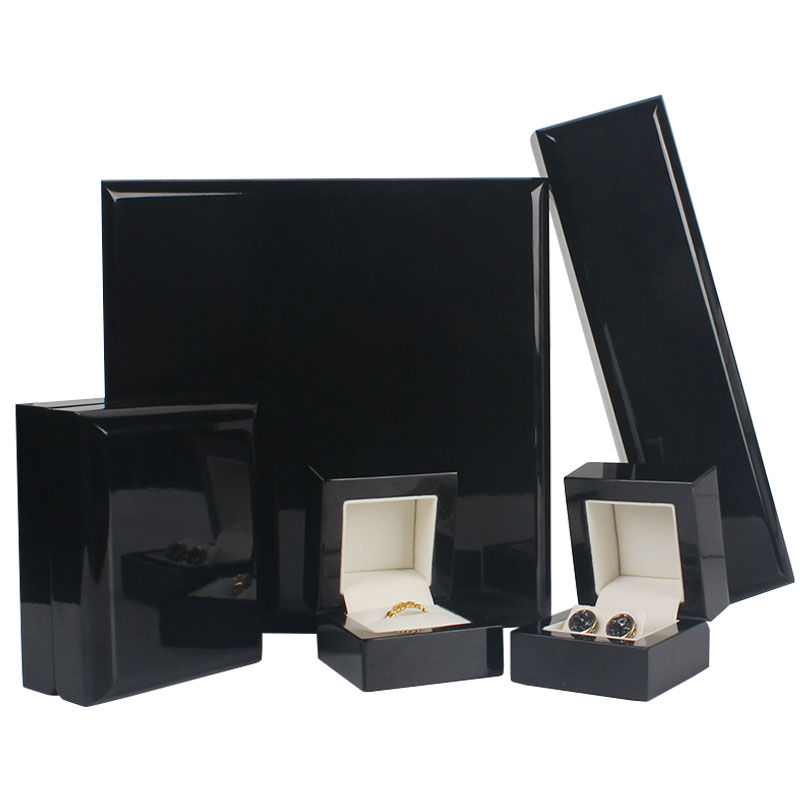
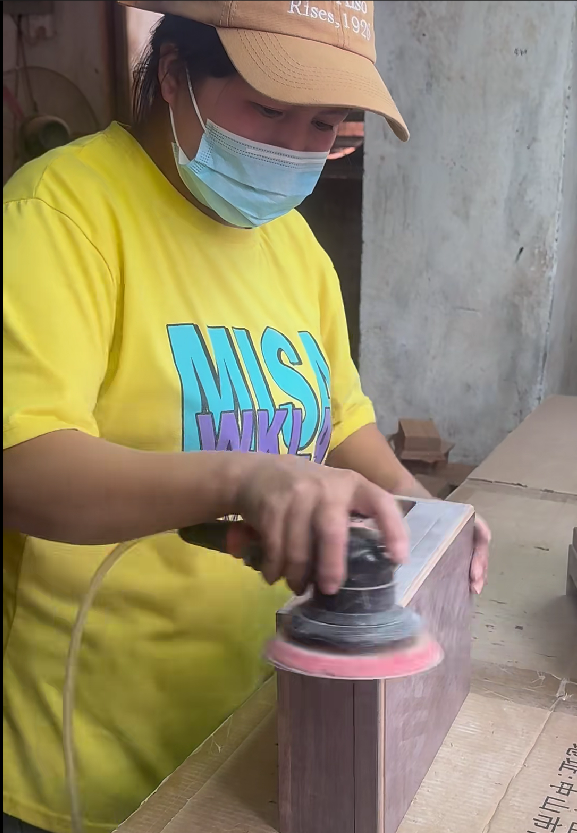
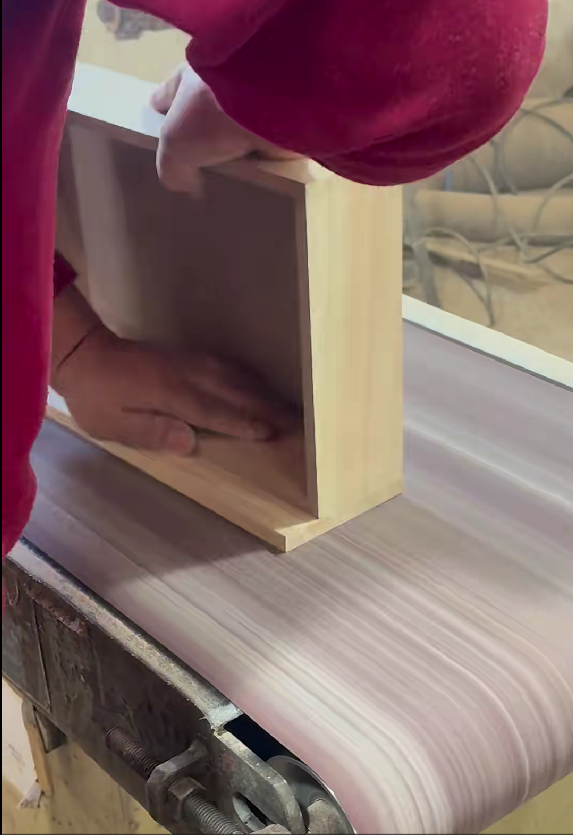
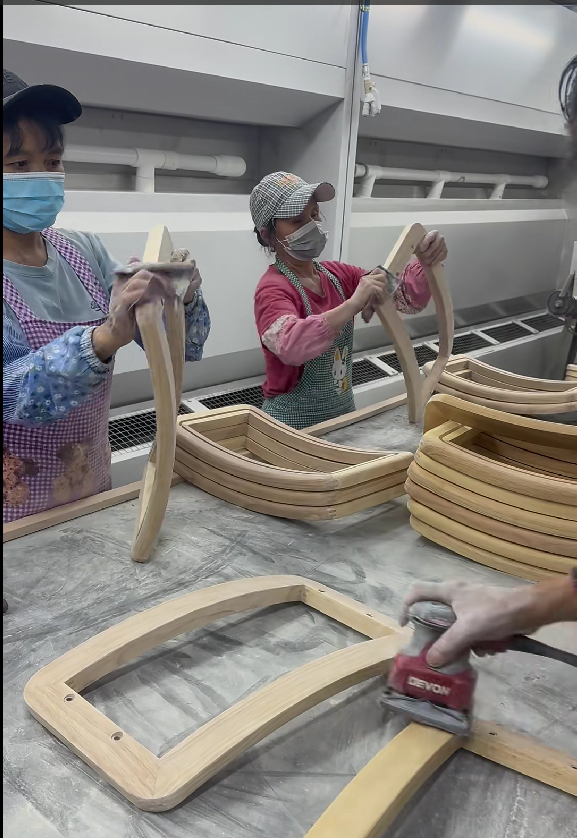
4. What Are the Functions of Sanding for Wooden Jewelry & Watch Boxes?
Sanding (also known as polishing) is a crucial process in the production of wooden box packaging. It is directly related to the texture, aesthetics, and service life of the final product. It can be said that "if sanding is done well, the product is half successful"—a principle especially true for high-end wooden jewelry and watch boxes.
4.1 Basic Function: Shaping and Trimming
Eliminate processing marks: After preliminary processes such as sawing, planing, and tenoning, the wood surface will leave tool marks, burrs, tiny steps, or unevenness. Sanding can remove these mechanical processing traces, making the surface flat and smooth—laying a solid foundation for subsequent processing.
Correct shape and chamfering: For irregular shapes such as curves and rounded corners, sanding is an important finishing method. It can grind sharp edges and corners into smooth chamfers, which not only improves the touch feeling but also makes the wooden box safer and more aesthetically pleasing—perfect for jewelry and watch packaging that emphasizes detail and luxury.
4.2 Core Function: Enhance Surface Texture
Achieve a smooth touch: This is the most direct purpose of sanding. By gradually sanding with sandpaper from coarse to fine, the fiber fluff and tiny burrs on the wood surface can be eliminated, making the touch as smooth as silk and greatly improving the user experience of the wooden product.
Open wood pores: For solid wood, especially coarse-pored wood such as oak and ash, initial sanding can open the wood’s vessels (pores), preparing it for subsequent coloring and filling. This ensures that the color and paint can penetrate evenly, enhancing the overall texture of the wooden box.
4.3 Aesthetic Function: Highlight the Beauty of Wood
Show true texture and color: After sanding off the rough surface fiber layer, the natural beautiful texture, color, and luster of the wood can be fully displayed. The finer the sanding, the more vivid and exquisite the wood’s "texture" becomes—highlighting the natural luxury of high-end jewelry and watch packaging.
Prepare for subsequent treatment: A perfectly sanded surface is the foundation of high-quality coating. Whether you are painting, oiling, or waxing, a flat surface allows the coating to adhere and penetrate evenly, presenting a full, transparent, and high-end visual effect. No matter how good the paint is, it will look cheap on a rough surface.
4.4 Functional Function: Ensure Performance and Durability
Enhance coating adhesion: Proper sanding (especially after fine sandpaper sanding) will form a large number of tiny scratches on the wood surface, which greatly increases the contact area between the coating and the wood. Like providing "anchoring points", it allows paint, wood paint, or wood wax oil to firmly adhere to the wood surface, making it not easy to peel off or flake.
Improve stain and moisture resistance: A flat and dense surface is not easy to hide dust and moisture. Combined with the coating, the stain resistance and moisture resistance of the wooden product will be stronger—effectively protecting the jewelry and watches inside from damage.
Prevent later problems: If sanding is not in place, the burrs on the wood surface will absorb paint or moisture, swell and stand up, resulting in a rough granular feeling on the finished surface, which affects the aesthetics and touch—undermining the high-end positioning of jewelry and watch packaging.
5. Paint Types for High-Gloss & Matte Wooden Boxes: Characteristics & Functions
For high-gloss and matte wooden jewelry & watch boxes, many procurement personnel and brands are confused about the types of paints used and their specific functions.
As an enterprise with more than 20 years of experience in custom jewelry & watch packaging, Annaigee will clearly explain the paint types suitable for wooden boxes and their characteristics in one go, helping you avoid being misled and make more professional choices.
The paints commonly used for wooden jewelry & watch boxes are mainly divided into three types: NC Paint (Nitrocellulose Paint), PU Paint (Polyurethane Paint), and PE Paint (Unsaturated Polyester Paint). In actual production, the combination of primer and topcoat is often selected according to the gloss requirement:
- Matte wooden boxes: Basically adopt PU primer + NC topcoat.
- High-gloss wooden boxes: Usually adopt PU primer + PU topcoat.
- Piano paint wooden boxes: Generally adopt PU primer + PE topcoat.
5.1 Hardness & Glossiness
The film hardness, glossiness and transparency of PE Paint are better than those of PU Paint, so it is often called "piano paint".
This makes it the first choice for high-gloss wooden boxes that pursue a mirror-like finish, such as high-end piano paint watch boxes.
5.2 Wear Resistance & Corrosion Resistance
Both PU Paint and PE Paint perform well in wear resistance, heat resistance, corrosion resistance and high gloss. However, PE Paint has higher filling property and fullness, which can make the surface of the wooden box more smoother and plumper, and the texture is more prominent.
5.3 Elasticity & Adhesion
The film elasticity of PU Paint can be adjusted according to needs, and it has strong adhesion. It is suitable for the surface of various materials (including wood, metal, etc.), which is why it is widely used in the production of wooden jewelry & watch boxes.
5.4 Construction Process
Construction Complexity:
PE Paint is a multi-component coating that requires adding initiators and accelerators during construction. The construction process is complex, and it has high requirements for workers’ professional skills and equipment.
PU Paint is a one-component or two-component coating, with relatively simple construction and no special process requirements.
Curing Time:
PE Paint can form a thick film at one time, but its curing time is relatively long, which will affect the production efficiency to a certain extent.
PU Paint can cure quickly at room temperature, has stronger adaptability to construction seasons, and is more suitable for mass production of wooden boxes.
5.5 Environmental Protection & Health Impact
Environmental Performance:
PE Paint releases no by-products during the curing process, resulting in less pollution and better environmental protection.
PU Paint contains Volatile Organic Compounds (VOCs), which will cause a certain impact on human health and the environment during construction and use.
Toxicity: Toluene Diisocyanate (TDI) in PU Paint is irritating to the eyes, skin and respiratory tract, and long-term contact may be carcinogenic. Therefore, stricter environmental protection measures are required during the construction of PU Paint.
5.6 Application Scenarios
PE Paint: Suitable for scenarios that require high film hardness and glossiness, such as piano paint watch boxes, high-end furniture and crafts. It is especially suitable for high-end jewelry & watch brands that pursue a luxurious and high-end visual effect.
PU Paint: Widely used on the surface of various materials such as wood, metal, cement and rubber. It is suitable for floor paint, deck paint and industrial anti-corrosion coatings, and is the most commonly used paint type in the production of mid-to-high-end wooden jewelry & watch boxes.
5.7 Cost & Maintenance
Cost:
The raw material and construction costs of PE Paint are relatively high, which will increase the overall production cost of wooden boxes.
PU Paint is more economical, and its cost performance is higher, which is more suitable for brands with cost control needs.
Maintenance:
The film of PU Paint is easy to repair. If there are scratches or damage, it can be repaired quickly and the effect is close to the original.
Once the film of PE Paint is damaged, the repair difficulty is large, and it is difficult to restore the original mirror effect.
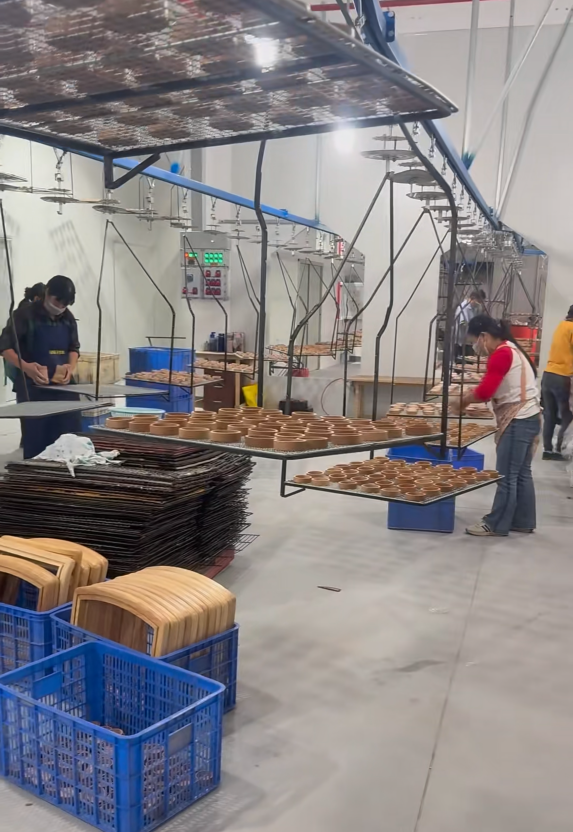
6. Have You Seen Such a Clean and Tidy Spraying Workshop? | Annaigee’s Professional Workshop
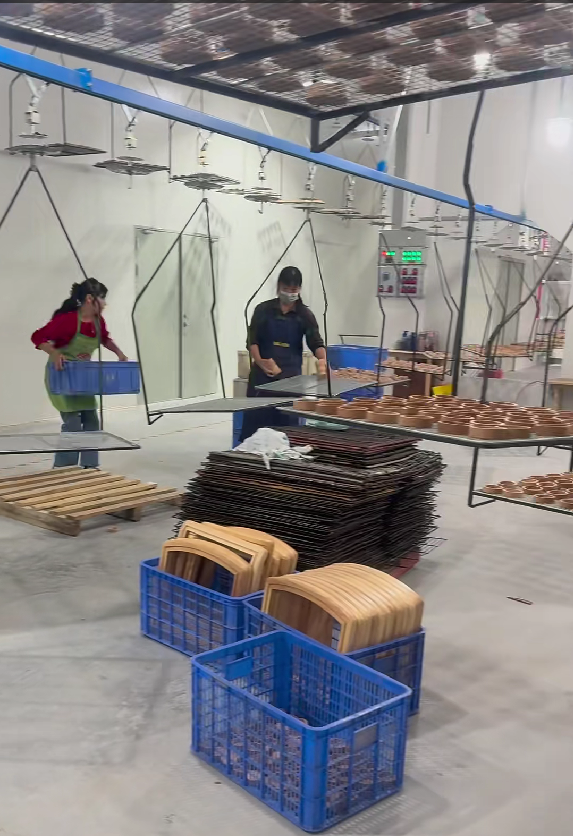
When it comes to wooden product production, many people may think of dirty, messy, and poor working environments—and it’s true that most paint factories fit this stereotype. However, at Annaigee, we have always put our employees’ health and safety at the top of our priorities, breaking the traditional impression of spraying workshops.
We are equipped with advanced air inlets and exhaust systems, as well as professional dust removal equipment to ensure that dust and paint mist are effectively filtered during the spraying process. In addition, all employees must wear masks mandatorily during operation, providing comprehensive protection for their respiratory health.
Compared with the spraying workshops of other factories, ours is far cleaner and tidier. When you walk into our spraying workshop, you will not smell pungent paint odors or feel any discomfort—this is all thanks to our complete ventilation and environmental protection system.
At Annaigee, we believe that production should not only be efficient but also full of humanistic care. A clean and safe working environment not only protects our employees’ health but also ensures the stability and high quality of our wooden jewelry & watch box products—laying a solid foundation for providing premium custom packaging solutions for global high-end jewelry and watch brands.
7. FAQ: Technical Sourcing Questions
Q1: Why Is Rough Sanding After the First Primer Coat So Critical for Wooden Boxes? | Annaigee’s Craft Secret
A: In the production process of high-end wooden jewelry & watch boxes, rough sanding after the first transparent PE primer coat is a crucial step that requires great attention to detail. Many people may underestimate its importance, but in fact, this step is like "laying the foundation" for the subsequent paint finish, directly determining the flatness, smoothness and durability of the final surface.
First of all, the core function of the PE primer itself is to prevent scratches and enhance scratch resistance, which is essential for protecting the wooden substrate and ensuring the long service life of the wooden box. When sanding after the first PE primer coat, the choice of sandpaper is very particular—it must be dry sandpaper with a grit between 240 and 320.
If the sandpaper is too coarse (lower than 240 grit), it is easy to leave deep scratches on the primer surface. These scratches are difficult to cover in subsequent processes, which will seriously affect the flatness and aesthetics of the final paint finish. On the other hand, if the sandpaper is too fine (higher than 320 grit), it cannot penetrate the primer effectively, failing to achieve the purpose of sanding and making the subsequent paint coat unable to adhere firmly.
What’s more, special care must be taken when sanding the edges and corners around the wooden jewelry & watch box. These areas are relatively fragile, and excessive force during sanding can easily wear through the primer, exposing the wooden substrate. Once the primer is damaged, it will lose its protective effect, and the subsequent paint coat will be uneven, affecting both the appearance and the service life of the product.
At Annaigee, our experienced workshop masters strictly follow this standard, ensuring that every wooden box’s rough sanding step is done perfectly, laying a solid foundation for the subsequent high-quality paint finish.
Q2: How to Ensure Lid and Base Alignment? | Annaigee’s Precision Craft
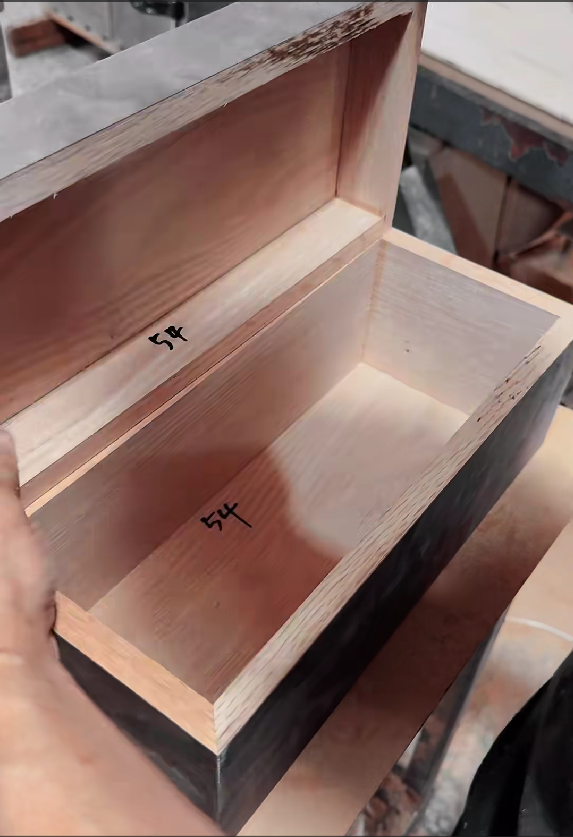
We All Know Wooden Box Blanks Have Large Assembly Tolerances—It is a well-known challenge in the production of wooden jewelry & watch boxes: wooden box blanks often have large assembly tolerances due to the natural characteristics of wood and the complexity of the splicing process. This tolerance issue easily leads to misalignment between the lid and the base, resulting in poor fit, loose closing, or even inability to close properly, which directly affects the product’s quality and the brand’s premium image.
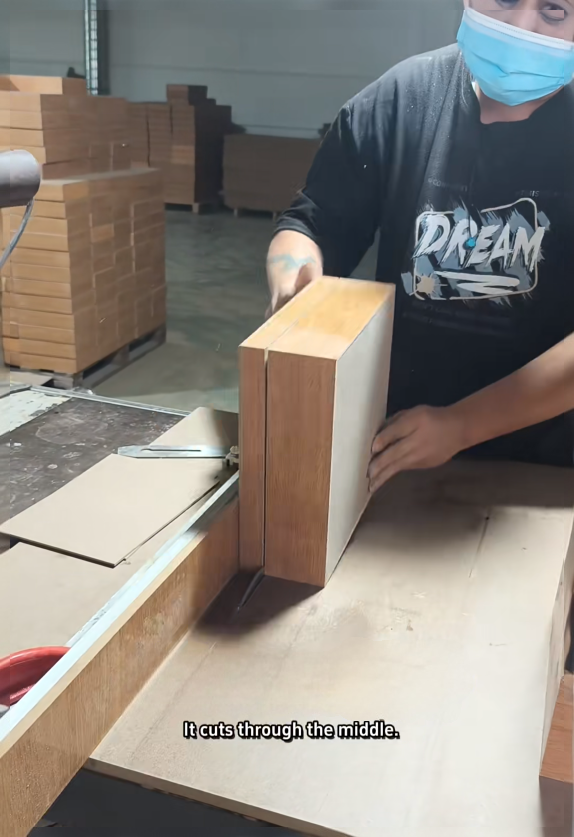
The key lies in our unique and precise production process—a "one-piece molding and separate cutting" technique that is the ultimate secret to ensuring no misalignment between the lid and the base. Specifically, before the wooden box lid and base are formed, they are processed as an integral wooden blank. We first shape the integral blank into the desired box shape, ensuring that all dimensions, lines, and structures are consistent and precise, in line with relevant industry standards such as GB/T 12464-2016 and ASTM D6880-05[6].
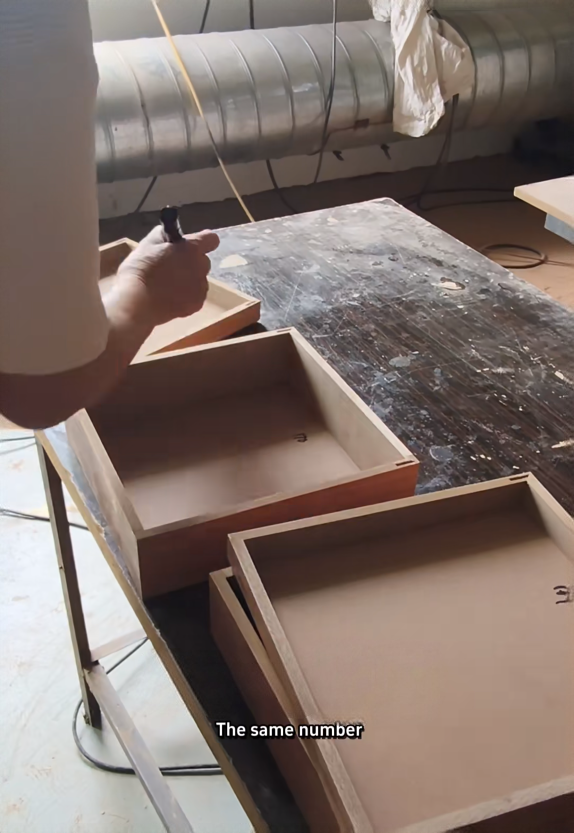
After the integral blank is formed and fully cured, we use high-precision cutting equipment to cut it evenly from the middle, separating it into two matching parts: the lid and the base. Since the lid and the base come from the same integral blank, they share the same dimensional parameters, structural lines, and splicing accuracy, fundamentally avoiding misalignment caused by separate processing. This process eliminates the cumulative errors of separate processing of the lid and base, ensuring that every part of the lid and base fits perfectly.
To take it a step further, we mark the same unique serial number on each matching lid and base.
Q3: Why is Piano Lacquer so much more expensive?
A: It is purely labor and time. A Matte box can be finished in 3 days. A Piano Lacquer box requires 15-20 days due to the repeated 'Spray-Dry-Sand' cycles required to build the thick, flat lens surface.
Q4: Can we do Piano Lacquer on any wood veneer?
A: Yes, but 'Burls' and 'Exotic Grains' (like Walnut Burl or Macassar Ebony) look best. The chaotic grain structure is visually amplified by the high-gloss lens. Straight grains (like Oak) are often better suited for Matte finishes.
Q5: Does Piano Lacquer turn yellow over time?
A: Historically, yes, due to UV degradation of the resin. However, modern formulations use 'Non-Yellowing' acrylic-modified polyesters and contain UV absorbers (HALS - Hindered Amine Light Stabilizers) to prevent discoloration for decades.
Q6: What is the 'Orange Peel' effect?
A: Orange Peel is a surface defect where the paint dries with a texture resembling citrus skin. It is caused by improper viscosity or fast solvent evaporation. In Piano Lacquer, we mechanically remove this via sanding (P1000-P3000) before polishing to achieve a flat mirror surface.
Q7: Is solid wood better than MDF for lacquer?
A: No. Solid wood moves. If the substrate expands, the rigid Piano Lacquer coating will crack (Checking). MDF is dimensionally stable, providing the inert foundation required for a glass-like brittle finish.
Q8: How do we clean a high-gloss box?
A: Treat it like a luxury car. Use a clean microfiber cloth and a mist of water. Never use paper towels (which contain wood pulp and scratch) or ammonia-based cleaners (which cloud the resin).
8. Conclusion: The key to choosing custom wooden jewelry and watch boxes is to select the right supplier
Spraying is an extremely important link in the production of wooden boxes and wooden products. It directly determines the surface texture and touch of the wooden product, while also adding a protective layer to the wood—effectively preventing the wooden product from deformation and cracking, which is crucial for preserving the integrity and service life of high-end jewelry and watch boxes.
However, the quality of sanding directly determines the effect of spraying. Some factories deliberately cut corners on sanding to improve efficiency, compressing the time that should take one hour to only 10 minutes. Naturally, the flatness of the surface cannot meet the required standard. This is the key reason why many similar wooden jewelry and watch boxes have huge price differences: the difference lies in the craftsmanship details of sanding and spraying, which ultimately affects the product’s quality and value.
As a professional jewelry packaging manufacturer, Annaigee is eager to partner with you in the field of wooden jewelry packaging. With extensive expertise in material application and craftsmanship design, we are well-equipped to help your brand design an exclusive wooden jewelry packaging
Future-proof your brand against evolving regulations and rising consumer expectations. Collaborate with Annaigee Jewelry Box to create premium packaging that safeguards both your precious jewelry and the planet.

Quick links
Products
Contact us
Contact: Veronica Chang
Contact number: +86 15622157335
Email address: veronicazhang@aliyun.com
WhatsApp: + 86 15622157335
Address: No.2, Tangjiao Tenth Street, Lilin Town, Zhongkai High-Tech Zone, Guangdong, China
We are confident to say that our customization service is outsatnding.